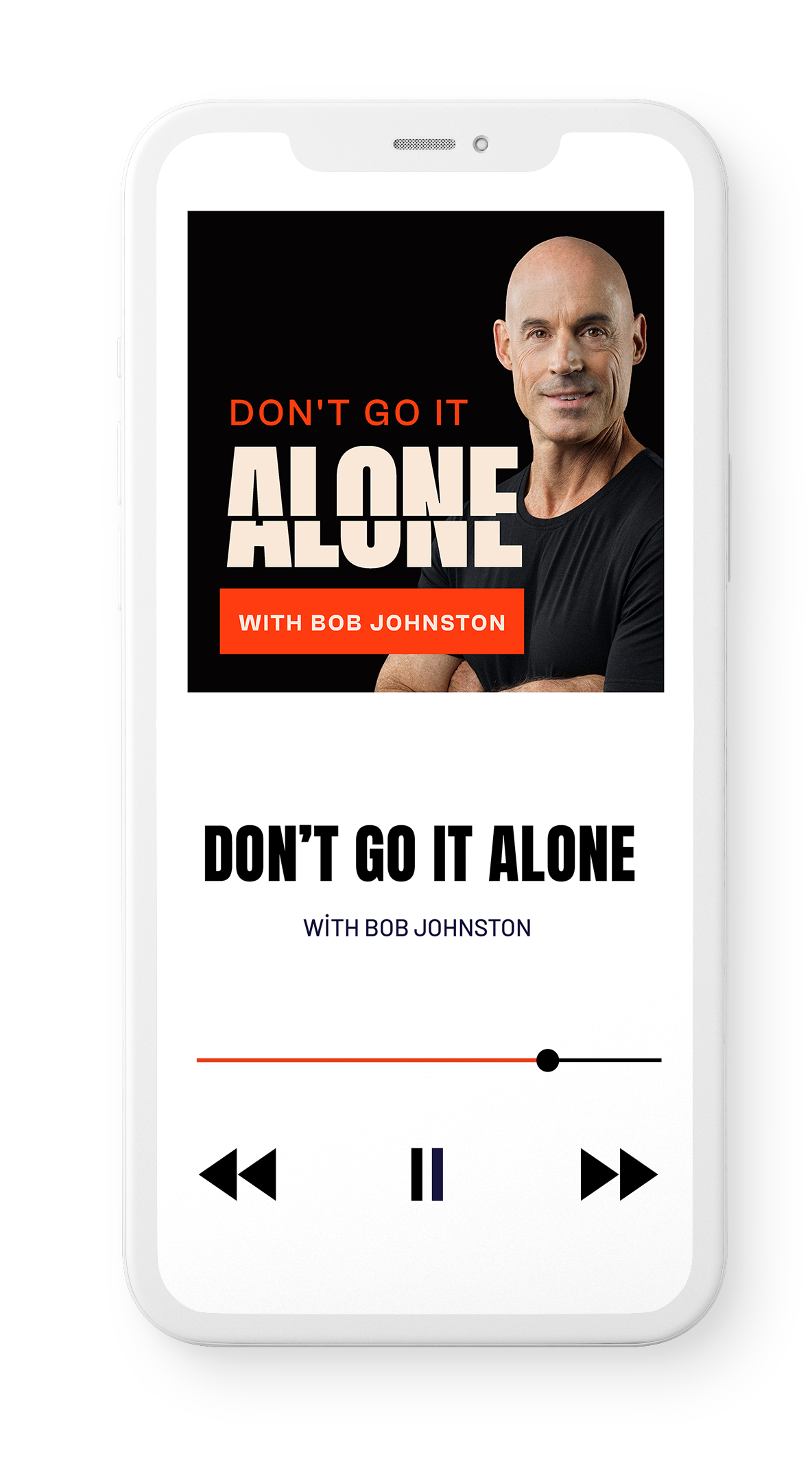












Don’t Go
it Alone
before you need it.
Don’t Go It Alone explores how the people around us shape our decisions, careers, and lives. Through keynotes, conversations, and practical exercises, you’ll learn to spot gaps in your circle, seek the perspective a decision needs, and build relationships before the stakes rise.
LEADERS FROM
The people who know you best won’t always have the perspective your next decision needs.
The Perspective Gap is the difference between what a decision requires you to understand and what you can see from your current vantage point.
Imagine you’re considering a new role. The title is appealing, the compensation is right, and the people closest to you think you should take it.
You may still need a conversation with someone who knows the organization’s culture, understands the challenges facing the team, or can help you see what you might be giving up by leaving. Encouragement matters, as does perspective.
Start with a decision you’re facing. Who has dealt with something similar? Who will question your reasoning? Whose perspective is missing?
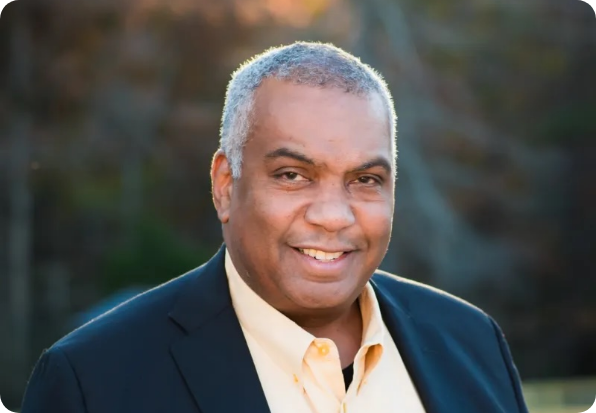
For more than 25 years, Bob Johnston has brought leaders together to exchange experiences, challenge assumptions, and build lasting relationships. As an entrepreneur, speaker, and founder of Exec.org, his work centers on a practical question: who helps you think clearly when facing consequential decisions?
Build the Circle
Before You Need It
Bring a decision you’re facing. Bob’s keynote combines stories with a guided exercise to help you examine to whom you turn, identify the perspective you’re missing, and plan a conversation that could change how you approach the decision.
Where Executive Peers Compare Notes.
Bob founded Exec.org to give senior leaders a place to compare notes through private dinners, roundtables, and thoughtful introductions.
Exec.org brings senior leaders together. The gatherings follow Chatham House rules, creating room for open discussion without attributing what is shared to individual participants.
What Leaders
Are Saying

“Bob has a real knack for getting the right people into a room and creating the kind of trust where people will actually say what they think. He knows the best decisions usually come when you hear more than one point of view.”
Beth Rose
Former Chief Compliance, Ethics
& Integrity Officer, Ford Motor Company


“Bob really understands the value of bringing smart people together around the questions that matter. What he creates is candid, thoughtful and actually useful, which is not always easy to find.”
Sydne Mullings
General Manager, Americas, Microsoft

“What Bob has built over the years really comes down to trust. He has a way of connecting people who see things differently, challenge each other’s thinking and, in the end, make each other better.”
Jon Korngold
Former Head of Growth, Blackstone

“One of the most dangerous things for any leader is getting too comfortable with agreement. Bob has always understood the value of people who will push back, say what others won’t, and help you see what you may be missing.”
Ron Green
Former Chief Security Officer, Mastercard
Who did they trust? What did they hear? What happened next? Bob talks with guests about the advice they followed, the advice they questioned, and the conversations that shaped a consequential decision.
COMING SOON
Read Don’t Go It Alone on Substack
Essays on decisions, relationships, and the questions worth asking before the stakes rise. Each offers an idea to consider or a conversation to start.
- The Right People Can Give You the Wrong Counsel
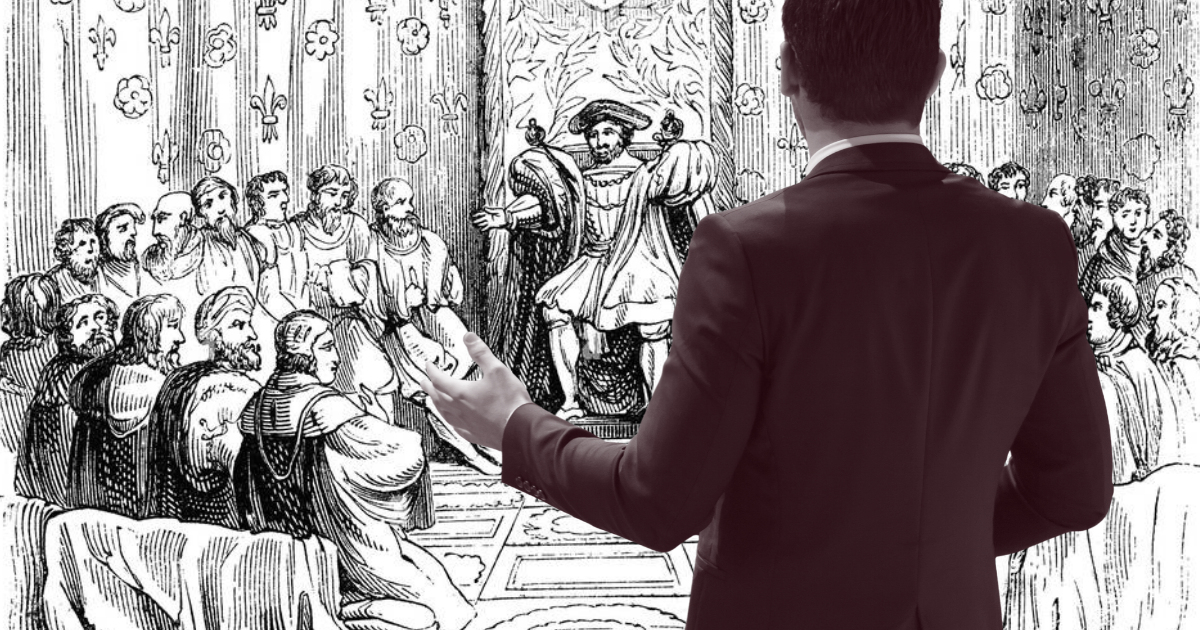
Why the people closest to you aren’t always the people you should ask first.
- The People You Keep Meaning to Call

Good relationships can disappear from your life without anything ever going wrong
- Build the Circle Before You Need It

Everything I believe about who you keep close, I learned when I had no one
- Seven Ways to Make an Event Worth Your Time

A useful conversation starts well before you exchange contact information.
You Don’t Have to Lead Alone
The biggest leadership challenges rarely come with obvious answers. They often begin with one honest conversation.